Medical Education Service
Understanding Chronic Back Pain
A comprehensive clinical guide covering the root causes, risk factors, and evidence-based approaches to lasting back pain relief.

Dr. M. Reinholt
Physiotherapy Consultant · 12 min read
80%
of adults will experience significant back pain in their lifetime
#1
cause of disability worldwide, affecting 619 million people
6 weeks
average time before chronic pain classification sets in
3×
more effective — decompression vs. standard pain medication alone
What Is Chronic Back Pain?
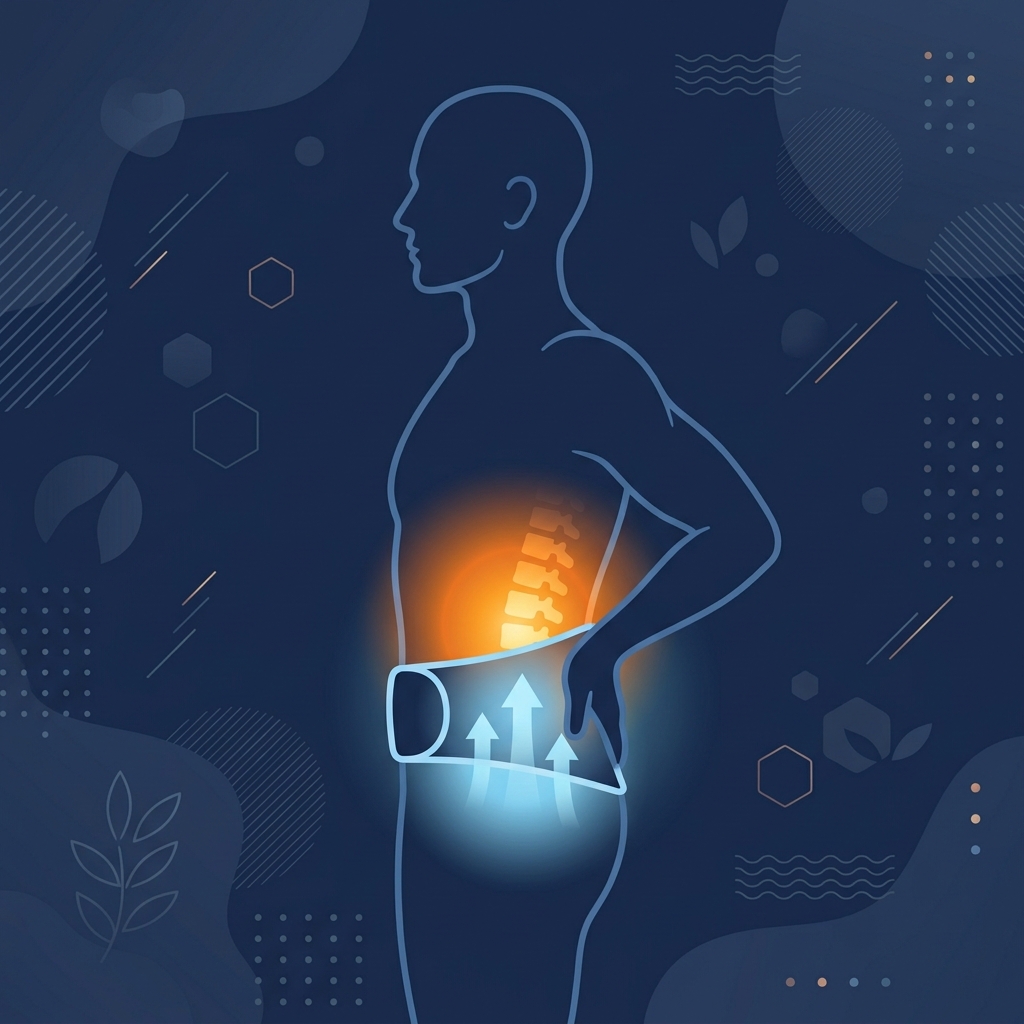
Back pain becomes chronic when it persists for more than 12 weeks — even after the initial cause has been treated. At this point, the nervous system has often adapted to a pain state, making recovery more complex than simply addressing the original injury.
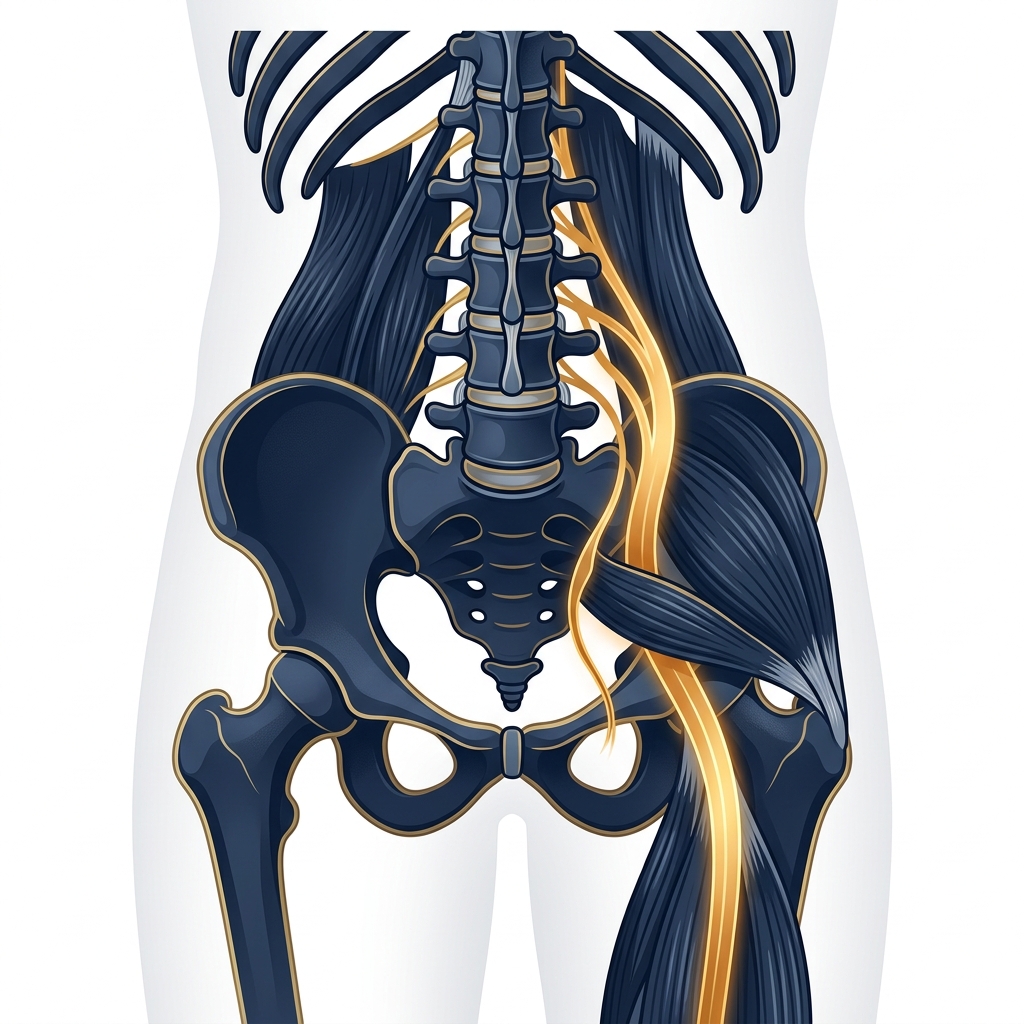
The lumbar spine — the lower five vertebrae (L1–L5) — bears the majority of the body's mechanical load. When disc integrity, vertebral alignment, or surrounding musculature is compromised, the cascade of effects can extend far beyond local pain, causing referred pain down the legs (sciatica), reduced mobility, and significant quality-of-life impact.
The Root Cause Distinction
Most back pain treatments target peripheral symptoms (muscle spasm, inflammation) rather than the underlying structural issue. Without addressing disc compression, vertebral misalignment, or muscular imbalance, pain consistently returns within weeks of treatment ending.
Primary Causes of Lumbar Back Pain
Back pain rarely has a single cause. Most chronic cases involve a combination of structural, muscular, and lifestyle factors that compound over time:
Intervertebral Disc Degeneration
The discs between vertebrae act as shock absorbers. When they lose water content and height with age or overuse, vertebrae compress closer together — reducing space for spinal nerves and increasing pain signals.
Disc Herniation
When a disc's outer ring cracks, the softer inner nucleus can protrude and press directly on spinal nerves. This is a primary cause of sciatica — the shooting leg pain many back pain sufferers experience.
Muscular Imbalance & Weakness
Modern sedentary lifestyles create predictable patterns of muscular imbalance: tight hip flexors, weak glutes, and overstressed lumbar erectors. This alters spinal loading in ways that accelerate disc degeneration.
Spinal Stenosis
A narrowing of the spinal canal that compresses nerve roots, causing pain, numbness, and weakness — especially in older adults. Often presents alongside degenerative disc disease.
Poor Postural Habits
Extended periods of flexion-dominant posture (desk work, driving, phone use) create sustained compressive forces on lumbar discs and habituate the spinal extensors into a weakened, lengthened state.
Evidence-Based Treatment Approaches
The research is clear: multi-modal approaches consistently outperform single interventions. The most effective protocols combine decompression, targeted exercise, and postural retraining.
Lumbar Decompression
Directly addresses disc compression — the root cause in most cases. Clinical studies show 60–70% pain reduction in 4 weeks when applied consistently.
Targeted Physiotherapy
Progressive loading of the lumbar stabilisers — multifidus, transverse abdominis — rebuilds the muscular support structure around the spine.
Postural Retraining
Correcting habitual posture reduces the sustained compressive forces that perpetuate disc degeneration. Essential for long-term results.
Anti-inflammatory Nutrition
Omega-3 fatty acids, curcumin, and reduced processed food intake measurably reduce systemic inflammation that amplifies pain signalling.
Ready to Address the Root Cause?
The Dainely Belt was built specifically for the biomechanical issues described in this article. Join 50,000+ customers who chose science over symptom masking.
Shop Dainely Belt — $8930-day guarantee · Free shipping over $75