Feel More Comfortable. Move With Ease.
Practical ideas for making everyday activities more comfortable—from sitting and standing to working, traveling, relaxing, and staying active.
Activité hebdomadaire recommandée d'intensité modérée
Adults are generally advised to accumulate 150–300 minutes of moderate-intensity aerobic activity each week, along with muscle-strengthening activity. (cdc.gov)
Objectif hebdomadaire de renforcement musculaire
Adults are generally recommended to perform muscle-strengthening activities involving the major muscle groups on at least 2 days each week. (cdc.gov)
Rompre le temps sédentaire prolongé
Current physical-activity guidance encourages adults to move more and sit less, making regular movement throughout the day an important part of an active lifestyle. (cdc.gov)
Understanding Everyday Comfort
Comfort Is Personal
There isn't one perfect setup for everyone.
What feels comfortable can vary from person to person. Your body, activities, work environment, fitness, mobility, previous experiences, and daily routine all influence how you move and position yourself.
Rather than searching for one “perfect” posture or setup, focus on creating an environment that allows you to move comfortably and change positions when needed.
Movement Variety Matters
Your body wasn't designed to stay in one position all day.
Sitting, standing, walking, reaching, bending, and changing position all place different demands on the body.
Even a comfortable position can become tiring when held for a long time. Whenever practical, change positions and include movement throughout your day.
Your Environment Matters
Small changes can make everyday tasks easier.
The height of your chair, position of your screen, placement of frequently used objects, footwear, work surface, lighting, and other environmental factors can influence how you interact with your surroundings.
A few thoughtful adjustments can sometimes make everyday activities feel more natural and manageable.
Comfort and Capacity Work Together
A comfortable environment is only part of the picture.
Strength, mobility, balance, endurance, sleep, recovery, and regular physical activity all contribute to your ability to handle everyday demands.
The goal isn't to avoid movement or physical effort. It's to build enough capacity to participate in the activities that matter to you.
Ways to Make Everyday Activities More Comfortable
Small adjustments to your environment, movement habits, and daily routines can make everyday activities more comfortable and manageable.
-
- Change positions regularly.Avoid staying in the same position for unnecessarily long periods.
- Take movement breaks.Stand, walk, stretch, or simply change position during long periods of sitting.
- Adjust your workspace.Position your chair, screen, keyboard, and frequently used items so they are comfortable and easy to reach.
- Keep frequently used items within easy reach.This can reduce unnecessary reaching, twisting, or awkward positioning.
- Use the right height.Whenever possible, adjust work surfaces, seating, or other equipment to suit the task and the person.
- Alternate tasks.If an activity is repetitive, switching between different tasks can vary the physical demands placed on your body.
- Use supportive equipment when helpful.Chairs, cushions, footwear, handles, and other tools can make some activities more comfortable or manageable.
- Build physical capacity.Regular strength, mobility, balance, and aerobic activity can help you handle everyday activities.
- Pace demanding activities.Break larger tasks into manageable sections when needed.
- Plan around your energy.Consider doing more demanding activities when you typically have the most energy.
- Make your home work for you.Arrange frequently used items and activity areas so they are practical and accessible.
- Prioritize sleep and recovery.Everyday comfort is influenced by more than what you do while awake.
Comfort Starts With Your Environment
You don't always need to change your body to make an activity easier. Sometimes the better solution is to change the environment around you.
Raise or lower a work surface. Move frequently used items closer. Adjust your chair. Improve lighting. Change your footwear. Add appropriate support. Rearrange a workspace.
Small environmental changes can reduce unnecessary effort and make everyday activities more manageable.
Everyday Comfort From Morning to Night
Morning
Give yourself time to get moving rather than rushing immediately into demanding activity.
Work
Change positions and take movement breaks during prolonged desk or standing tasks.
Household Tasks
Alternate activities and use practical techniques and tools that make tasks manageable.
Recreation
Prepare for activities such as golf, pickleball, walking, gardening, or travel according to their physical demands.
Evening
Transition toward lower-intensity activity and relaxation.
Le sommeil
Create a comfortable sleep environment and consistent routine.
Comfortable Sitting
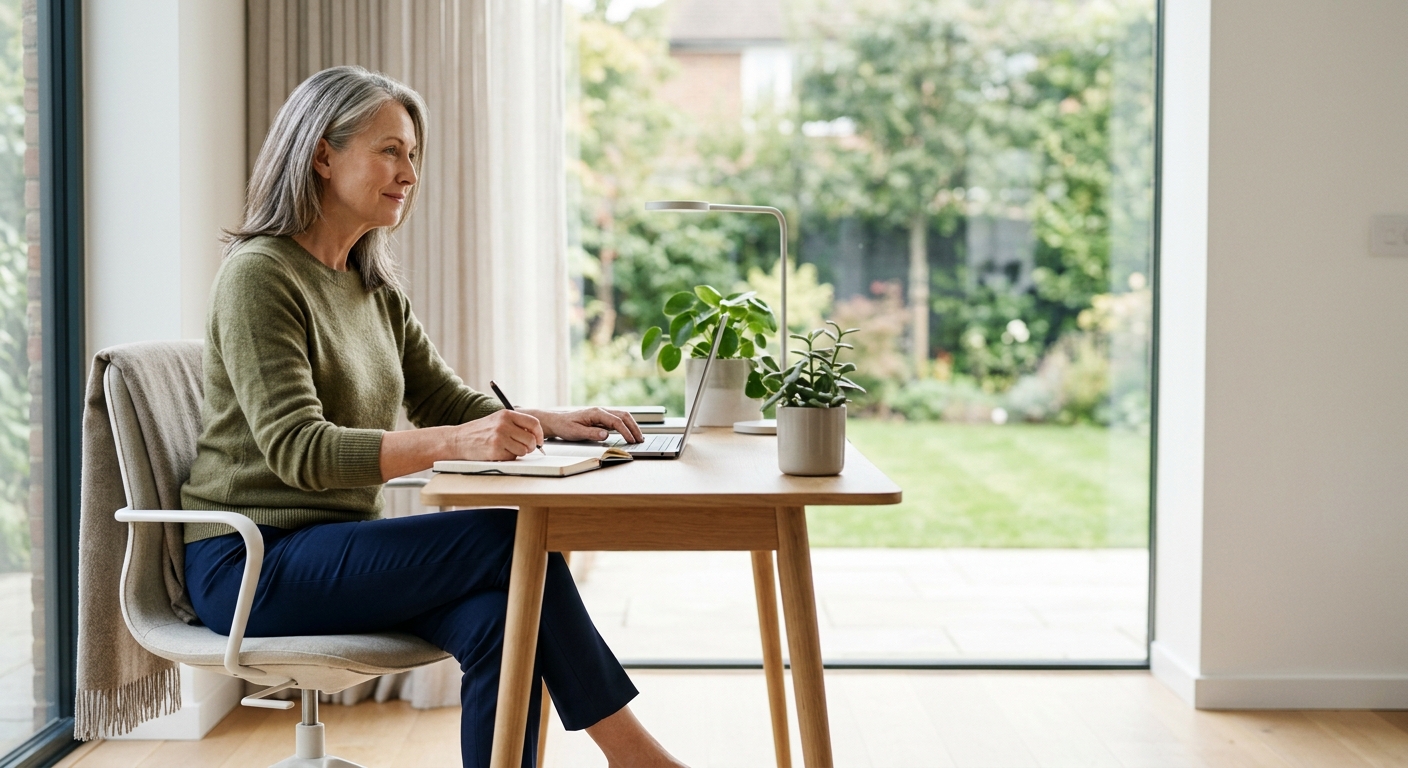
If you spend significant time sitting, focus on creating a comfortable setup and changing positions regularly.
Your chair should provide a stable, comfortable place to sit, while your screen and frequently used items should be positioned so you aren't constantly reaching, twisting, or leaning.
Most importantly, don't feel that you need to hold one posture rigidly for hours. Stand, walk, or change position when practical.
Comfortable Standing
If your day involves a lot of standing, vary your position and move when practical.
Shift your weight, take short walking breaks, change tasks, and use supportive footwear appropriate for the environment and activity.
If you're standing for extended periods at work or during events, consider how the surrounding environment can make the task more manageable.
Comfortable Movement at Home
Everyday household activities can involve more physical effort than we realize.
Vacuuming, laundry, cooking, cleaning, gardening, carrying groceries, reaching into cabinets, and moving objects around the house all involve different combinations of bending, reaching, lifting, pushing, pulling, and standing.
Whenever practical, keep heavier or frequently used items at accessible heights, divide larger tasks into manageable portions, and use tools that make the job easier.
Travel Comfort
Travel can involve long periods of sitting, carrying luggage, unfamiliar beds and chairs, and changes to your normal routine.
When practical, change positions, walk during appropriate breaks, keep frequently needed items accessible, and avoid carrying more than you comfortably can.
Once you arrive, give yourself an opportunity to move and reset before jumping into a demanding activity.
Comfort for the Activities You Enjoy
Comfort shouldn't mean avoiding the activities you love.
Golf, pickleball, walking, gardening, travel, cooking, hobbies, and time with family all involve different physical demands.
Think about how you can prepare, pace yourself, adjust your environment, and build the physical capacity needed to participate comfortably.
Everyday Support, Designed Around Your Routine
Sometimes a simple support product can be a useful part of a comfortable daily routine.
Dainely designs products around everyday comfort and support, with solutions intended to fit naturally into activities such as sitting, moving, working, traveling, and relaxing.
Choose support based on the activity you're doing and what feels comfortable and useful for you.
Dainely Products
Everyday Support for Active Movement
Comfort for Seated Activities
Confort pour le repos et la détente
Support for Everyday Activities
A Simple Comfort Check
Before starting an activity, ask:
Can I reach it comfortably?
Move frequently used objects closer if needed.
Can I change position?
Avoid being locked into one position for long periods.
Is the task at the right height?
Adjust the work surface or your position when practical.
Can I break it into smaller steps?
Pacing can make demanding activities more manageable.
Do I have the right support?
Consider whether a chair, cushion, footwear, tool, or other equipment would make the task more comfortable.
When Everyday Discomfort Needs More Attention
Occasional discomfort or fatigue can occur during everyday activities, but persistent, worsening, severe, or unexplained symptoms shouldn't simply be attributed to posture, aging, or an uncomfortable environment.
If symptoms continue, interfere with your normal activities, follow an injury, or concern you, consider speaking with a qualified healthcare professional.
If you have a medical condition, significant mobility limitation, or recent injury, individualized guidance from an appropriate healthcare professional may be helpful.
Clause de non-responsabilité médicale
Les informations fournies sur cette page sont uniquement à des fins éducatives et informatives générales. Il n'est pas destiné à diagnostiquer, traiter, guérir ou prévenir une maladie, une condition médicale ou une blessure, et il ne doit pas être considéré comme un avis médical.
Individual comfort, mobility, activity, and ergonomic needs vary. Consult a qualified healthcare professional if you have persistent or concerning symptoms, an injury, a medical condition, or questions about the appropriate activity or support for you.
Les produits Dainely sont conçus pour un soutien et un confort généraux et ne sont pas destinés à remplacer l'évaluation, le diagnostic ou le traitement médical professionnel.
Recommended For You


